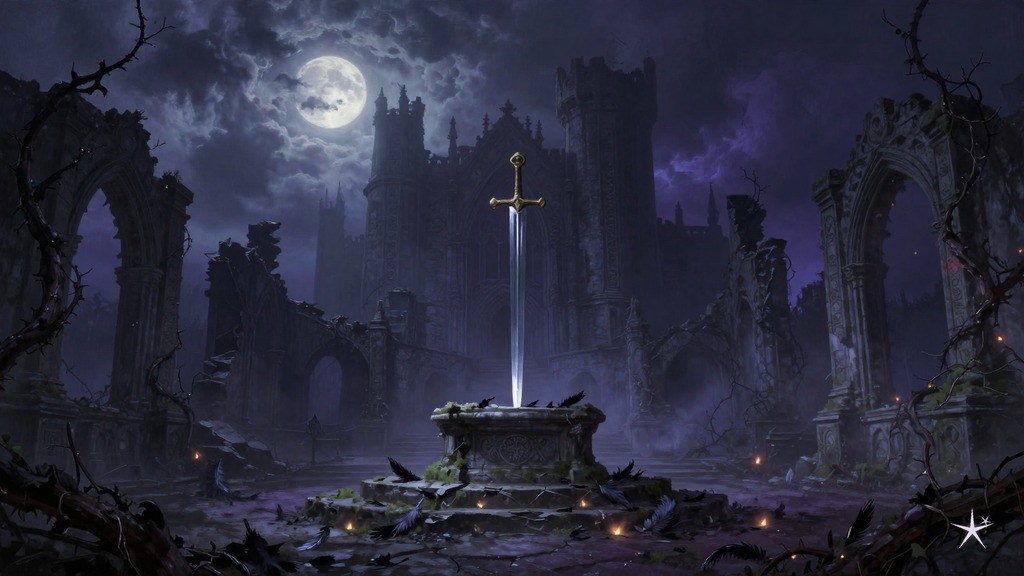
Yes — the Gankutsuou manga is finished. The series is complete at 3 volumes, it’s been done since 2008, and it tells a full story with a definitive ending. No waiting for new chapters, no indefinite hiatus, no ambiguity.
If you’ve been wondering whether this one ever wrapped up or got left hanging, the short answer is that it’s one of the most neatly concluded dark fantasy manga out there. Let’s break it all down.
Yes — The Gankutsuou Manga Is Finished (3 Volumes, Completed July 2008)
The Gankutsuou manga is complete at 3 volumes. No waiting for new chapters, no indefinite hiatus, no ambiguous “on break” status. It’s finished.
The series was published in Japan by Kodansha — one of Japan’s largest manga publishers — under their Afternoon KC label (a specific line within Kodansha’s catalog that groups certain titles together). The first volume came out in December 2005, and the third and final volume was released in July 2008. That’s the full run — three volumes over roughly two and a half years.
All three volumes were also released in English by Del Rey (an American publisher that had a dedicated manga division), making the complete series available to English-speaking readers.
The manga features art by Mahiro Maeda with a script by Yura Ariwara, and it’s based on Alexandre Dumas’ classic novel The Count of Monte Cristo. If you know the source material at all, you know this is a story built around scheming among the wealthy and powerful, elaborate revenge, and dark secrets — and the manga leans hard into the gothic and supernatural side of that premise. “Gothic” here means a visual and storytelling style defined by ornate, dark, and eerie imagery — think shadowy mansions, unsettling beauty, and an atmosphere that feels otherworldly.
At just three volumes, this is one of the most compact dark fantasy manga series you’ll find. You can read the entire thing in a single afternoon. For anyone who’s been burned by long-running series that lose steam or get cancelled before the story reaches a conclusion, Gankutsuou is a refreshing change of pace — a short, self-contained story that knows exactly what it wants to do and does it.
How the Gankutsuou Manga Ends (Spoiler-Light)
Without getting into heavy spoilers, here’s what you can expect from the story’s direction and conclusion.
The manga centers on the enigmatic and deeply unsettling Count of Monte Cristo — wealthy, charismatic, and clearly hiding something enormous beneath his polished exterior. While Albert de Morcerf, a young nobleman, serves as the reader’s entry point into the story, the manga’s focus is on the Count’s machinations and inner workings. As the story unfolds, the Count’s true identity and the web of revenge he’s been weaving for years gradually come to light.
The storytelling leans heavily into dark fantasy and gothic imagery. This isn’t a straightforward historical drama. The supernatural elements are front and center, giving the classic revenge narrative a distinctly eerie, otherworldly atmosphere. Betrayal, obsession, and the cost of vengeance are the core themes, and the manga doesn’t shy away from the darker implications of any of them.
By volume 3, the Count’s elaborate plans reach their climax. Every thread the story has been building comes together, and the ending provides full closure. There are no dangling plot threads, no endings designed to tease a sequel, and no unresolved character journeys. The story reaches a definitive conclusion.
If you enjoy revenge-driven dark fantasy — stories where the tension builds slowly and the payoff lands hard — the ending here delivers. It’s the kind of series where knowing it’s finished actually makes it better, because you can trust that you’re heading toward a real ending from page one.
What a Complete Gankutsuou Manga Collection Looks Like
Collecting the full Gankutsuou manga is about as straightforward as it gets:
| Edition | Publisher | Volumes | Label |
|---|---|---|---|
| Japanese | Kodansha | 3 | Afternoon KC |
| English | Del Rey | 3 | — |
That’s the entire series in both languages. Three volumes each.
The physical collection is genuinely compact — this will take up less shelf space than most single story segments in longer-running series. If you’re building a dark fantasy manga shelf and want something that looks complete without requiring a whole row of bookcase real estate, Gankutsuou fits the bill perfectly.
One thing worth noting: the Del Rey English editions have been out of print for some time. “Out of print” means the publisher is no longer producing new copies, so you won’t find fresh stock at most bookstores. Del Rey’s manga division shut down years ago, so these editions aren’t coming back. This means finding physical copies typically requires checking secondhand sellers — sites like eBay, used listings on major online retailers, or manga buy/sell/trade groups on platforms like Reddit and Facebook. The series is only three volumes, so completing a set is much more manageable than tracking down a long out-of-print run.
Is There a Gankutsuou Sequel or Spin-Off?
No. There is no sequel manga, no spin-off manga, and no continuation of any kind.
The story wrapped up completely in volume 3, and neither the creative team nor the publisher has revisited it since. Given that the series concluded its narrative in full — and that it’s an adaptation of a classic novel with a definitive ending — there’s really no loose thread that would call for a sequel.
If you finish the manga and want more of this story, the best place to go is the source: Alexandre Dumas’ The Count of Monte Cristo* itself. The original novel is a massive, richly detailed revenge epic, and reading it after the manga gives you a much deeper look at the characters, schemes, and world that the manga condenses into three volumes. It’s one of those rare cases where the adaptation and the source material complement each other really well rather than one making the other feel redundant.
Beyond that, the Gankutsuou anime is another option worth knowing about. The anime is a 24-episode television series that aired in 2004–2005 — it actually came before the manga. Mahiro Maeda directed the anime, and the manga followed as a separate adaptation of the same source material. Both draw from Dumas’ novel and share Maeda’s creative involvement, but they tell the story differently. The anime is a much longer, more expansive take, while the manga is a tighter, more compressed version. If you’ve only read the manga, the anime offers a different experience of the same world without being a simple retread.
Where to Start Reading Gankutsuou
This one’s easy: start with volume 1 and read straight through to volume 3. There’s no complicated reading order, no side stories to slot in, and no alternate timelines to worry about.
The only official English edition is the Del Rey release. There are three volumes, and they correspond directly to the three Japanese volumes published by Kodansha.
Here’s the Amazon listing for the third and final volume of the Del Rey edition:
gankutsuou
Who Is This Series For?
Gankutsuou is a great fit if you’re looking for:
- A complete dark fantasy manga — no waiting, no unfinished business
- Gothic atmosphere and supernatural elements — the art and storytelling lean into the eerie and ornate
- A revenge-driven narrative — the Count of Monte Cristo premise is one of literature’s greatest revenge stories, and this adaptation honors that
- Something short — at 3 volumes, it’s ideal for readers who don’t want to commit to a 20+ volume series
- Scheming among the wealthy and powerful — if you like stories where aristocrats, socialites, and elites maneuver against each other behind closed doors, each hiding their own secrets and agendas, this delivers
It’s also a solid choice for fans of classic literature who are curious to see how Dumas’ work translates into a visual medium with a dark fantasy twist, or for readers who enjoyed the Gankutsuou anime and want to experience a more condensed version of the story in manga form.
A Note on Availability and Pricing
Because the Del Rey English editions are out of print (no longer being manufactured), finding copies takes a bit more effort than buying a currently published series. Your best bets are used listings on major online retailers, eBay, and manga buy/sell/trade communities on Reddit or Facebook.
The good news: the series is only three volumes, so completing a set is far more realistic than chasing down a long out-of-print run. Secondhand prices for out-of-print manga can vary — sometimes you’ll find copies at or below the original retail price, and other times demand pushes them higher. Checking multiple sellers and being willing to wait for a good listing usually pays off.
Frequently Asked Questions
How many volumes of Gankutsuou manga are there?
3 volumes total, in both the Japanese and English editions. The Japanese volumes were published by Kodansha (under their Afternoon KC label) from December 2005 to July 2008. The English volumes were published by Del Rey. That’s the complete series — there are no additional volumes, special collected editions, or combined reprints to track down.
Who created the Gankutsuou manga?
The manga was drawn by Mahiro Maeda with a script by Yura Ariwara. The story is based on The Count of Monte Cristo by Alexandre Dumas. Maeda is also known for directing the Gankutsuou anime series, which gives both the anime and manga a shared visual and thematic style even though they’re separate works telling the story in different ways.
Is the Gankutsuou manga the same as the anime?
The manga and anime are related but distinct adaptations. Both draw from Alexandre Dumas’ novel and share Mahiro Maeda’s creative involvement, but they tell the story differently. The anime is a 24-episode television series that aired before the manga was published — the manga came second, not first. At just 3 volumes, the manga is a much more condensed experience compared to the anime’s longer format. If you’ve seen one, the other still has something to offer — but they aren’t identical in how they structure or present the story.
Is the Gankutsuou manga worth reading if I’ve already seen the anime?
Yes, especially if you enjoyed the anime’s atmosphere and want to see how the story works in a shorter, faster-paced format. The manga moves more quickly by necessity, and experiencing the gothic visuals as still art on the page is its own distinct pleasure. At only 3 volumes, the time commitment is minimal — you can finish the whole thing in an afternoon and come away with a different perspective on the same source material.