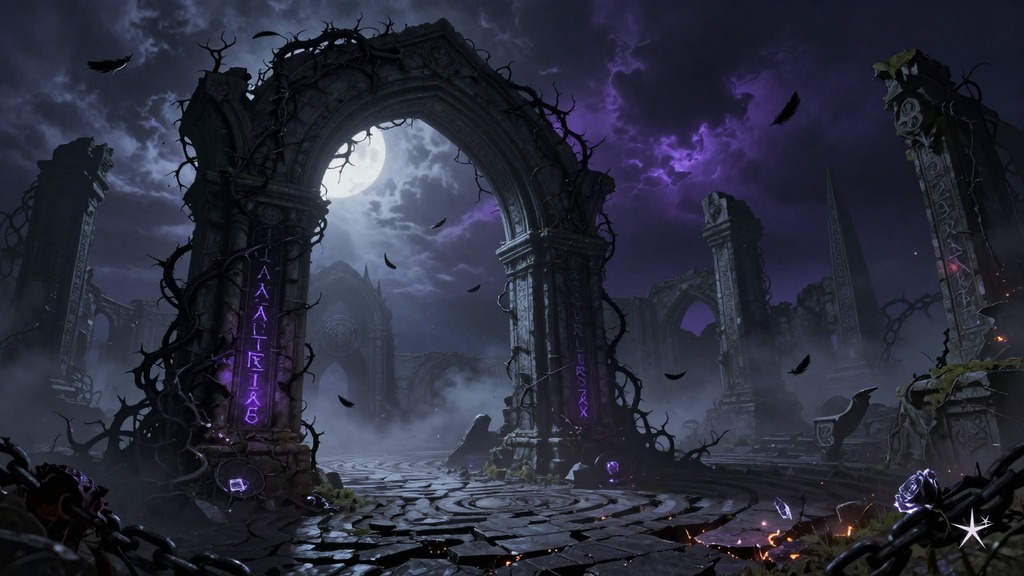
The complete Puella Magi Madoka Magica manga reading order is simpler than the franchise makes it look. There’s an original series, multiple spin-offs with different magical girls, alternate stories, and a game adaptation — it can feel overwhelming when you just want to know where to start. This guide lays it all out so you can jump in with confidence and avoid spoiling any of the big twists that make this franchise so devastating.
One thing to know upfront: the anime came first, not the manga. The original Puella Magi Madoka Magica manga by Hanokage (story by Magica Quartet, the creative team behind the franchise) is an adaptation of the 2011 anime series — not the other way around. This trips up a lot of newcomers, so it’s worth getting straight before you start.
A note on tone before you dive in: Despite the colorful magical girl designs, this franchise deals with heavy themes — including despair, self-sacrifice, grief, hopelessness, and metaphors for suicide. The contrast between the cute surface and the grim reality underneath is part of what makes it famous, but if you’re sensitive to those themes, consider yourself warned.
Puella Magi Madoka Magica Manga Reading Order at a Glance
Here’s the recommended reading sequence for the entire manga franchise. Start at the top and work your way down.
| # | Title | Volumes (EN) | Priority | Notes |
|---|---|---|---|---|
| 1 | Puella Magi Madoka Magica (original) | 3 | Essential | Retells the main anime story — start here |
| 2 | Puella Magi Madoka Magica: The Different Story | 3 | High | Expands Mami and Kyoko’s backstory |
| 3 | Puella Magi Oriko Magica | 2 | Optional | Different storyline with new magical girls |
| 4 | Puella Magi Kazumi Magica | 5 | Optional | Standalone spin-off in a different city |
| 5 | Puella Magi Madoka Magica: Wraith Arc | 3 | High | Bridges the original ending and later events |
| 6 | Magia Record: Puella Magi Madoka Magica Side Story (manga) | 8 | Optional | Based on the mobile game, separate storyline |
All titles listed above are published in English by Yen Press.
The short version: Start with the original 3-volume manga (12 chapters, completed). That’s your foundation. Then branch out into the spin-offs based on how deep you want to go.
The franchise spans quite a few spin-off manga beyond the original series. Tart Magica follows a different magical girl in a medieval France setting — completely standalone. Suzune Magica is another self-contained story with its own cast. Neither is required for the core reading order, but if you finish the entries above and want more, there’s plenty to explore.
Step by Step — What Each Manga Covers and Where It Fits
Let’s break down what each series actually is and why it sits where it does in the Puella Magi Madoka Magica manga reading order.
The Original Manga (3 Volumes, 12 Chapters — Completed)
This is where everyone should begin. The original Puella Magi Madoka Magica manga, illustrated by Hanokage with story credit to Magica Quartet, retells the main anime storyline across 3 volumes and 12 chapters. (In manga, chapters are individual installments that get collected into volumes — similar to how TV episodes make up a season.) It was published in chapters in Manga Time Kirara Forward (a manga magazine by Houbunsha) and released in Japan between February and June 2011.
The story follows Madoka Kaname, an ordinary middle school girl who encounters a mysterious creature named Kyubey offering to grant her any wish — in exchange for becoming a magical girl. What starts as a seemingly cheerful premise quickly unravels into something far darker, involving deals-with-the-devil bargains, cycles of despair (where magical girls are ground down emotionally until they break), and revelations about the true nature of the magical girl system that hit like a truck.
If you’ve already watched the anime, the manga covers the same story beats. The manga adaptation is faithful to the anime’s plot, so you won’t find major differences in the story. What you will get is Hanokage’s distinctive art style interpreting the surreal witch labyrinths — bizarre, nightmarish pocket dimensions where witches hide — and the emotional devastation of the story in a different visual medium. It’s a compelling read on its own terms.
The dark fantasy elements are baked into the DNA of this series. The witch designs lean into body horror (grotesque transformations of the human form) and surrealist nightmare imagery, and the emotional stakes are genuinely brutal for a magical girl story. This tonal contrast between the cute character designs and the grim reality of the magical girl system is what made the franchise a phenomenon.
This is also, practically speaking, a very quick read. Three volumes. You can finish it in an afternoon. And it gives you everything you need to understand the spin-offs that follow.
Puella Magi Madoka Magica
The Different Story
After finishing the original, The Different Story is the best next step. This spin-off expands the backstories of Mami Tomoe and Kyoko Sakura — two characters whose history together is only hinted at in the main story.
Read this after the original manga (or anime) so that the character reveals land properly. Much of what makes The Different Story compelling depends on you already knowing how the magical girl system works and what Kyubey is really up to. Going in blind would strip away the tension that comes from knowing things the characters don’t — and that tension is what makes this series so effective.
The dark fantasy tone is very much present here. The story explores the despair cycles and emotional manipulation that the franchise is known for, filtered through two characters who cope with the system in radically different ways.
Oriko Magica
Puella Magi Oriko Magica is an original side story featuring new magical girls in a separate storyline. (“Alternate timeline” in this franchise means the story takes place in a different version of events — a “what if” scenario rather than a direct sequel or prequel.) It introduces characters not found in the main story and builds out the world’s dark fantasy mythology — the idea that there are countless magical girls across the world, each caught up in the same cruel system.
This one is self-contained and doesn’t directly affect the main narrative. Think of it as expanding the universe rather than continuing the plot. The tone stays dark — witch labyrinths, desperate choices, and the ever-present weight of Kyubey’s contracts.
You can read this any time after the original, but it’s not required for understanding later entries in the franchise.
Kazumi Magica
Puella Magi Kazumi Magica takes place in an entirely different city with a fresh cast of magical girls. It’s the most standalone entry in the franchise — you could honestly read it with only a basic understanding of the Madoka Magica universe and follow along just fine.
It leans into its own mystery plot and has a somewhat different vibe from the other spin-offs, though the dark undercurrent of the magical girl system is still very much at play. Body horror and the despair cycle show up in ways that feel distinct from the main series.
Readable any time after the original. Low priority if you’re mainly interested in the core story, but worth checking out if you love the setting and want to see it from a different angle.
Wraith Arc
Puella Magi Madoka Magica: Wraith Arc is important. This one bridges the gap between the original story’s ending and subsequent events in the franchise. Without spoiling specifics, the original story’s conclusion reshapes the world in a significant way, and Wraith Arc explores what that reshaped world actually looks like.
Placement matters here — reading this before finishing the original manga (or watching the anime) will cause serious timeline confusion. It assumes you know exactly how the original story ends and builds directly from there.
If you’re planning to engage with the franchise beyond the original story (including the Rebellion movie, a sequel film that continues the storyline), Wraith Arc is a high-priority read. It fills in narrative gaps that matter.
Magia Record: Puella Magi Madoka Magica Side Story (Manga)
The Magia Record: Puella Magi Madoka Magica Side Story manga is based on the mobile game of the same name. (The game told its own story within the Madoka Magica universe, and the manga retells that story in comic form.) It features a largely separate storyline with new characters in a new city, though familiar faces do make appearances.
This is the most optional entry on the list for readers who are primarily interested in the core Madoka Magica narrative. It’s its own thing — enjoyable if you’re deep into the franchise and want more of the world, but not something you need for understanding the main story thread.
The dark fantasy elements are present (it’s still a Madoka Magica property, after all), and the story has its own twists and emotional gut-punches. But it’s fundamentally a side dish, not the main course.
What You Can Safely Skip
Not everyone wants to read everything, and that’s completely fine. Here’s how to think about it.
The tightest path through the core story:
- Original manga (3 volumes) → Wraith Arc
That’s it. Those two give you the main narrative throughline. If you’re short on time or just want the central Madoka Magica experience in manga form, this two-step path covers what matters most.
Safe to skip if you only want the main story:
- Kazumi Magica — fully self-contained, different city, different cast. Fun but disconnected from the core plot.
- Oriko Magica — separate storyline, new characters. Enriches the world but doesn’t feed into the main narrative.
- Magia Record: Puella Magi Madoka Magica Side Story — game-based, largely standalone. Has its own fanbase but isn’t required reading for the core franchise.
Worth reading but not strictly necessary:
- The Different Story — doesn’t advance the main plot, but adds so much depth to Mami and Kyoko that it feels essential if you care about those characters at all. Highly recommended, not required.
The beauty of this franchise is that the spin-offs are genuinely self-contained. You won’t hit a wall in the main story because you skipped Kazumi Magica. The original manga and Wraith Arc form a clean, complete narrative path.
Where to Buy Each Title in English
All of the Puella Magi Madoka Magica manga listed above are published in English by Yen Press. Knowing the publisher name makes searching easier — whether you’re browsing online retailers, checking a library catalog, or asking at a local bookshop.
The Original Manga
The original Puella Magi Madoka Magica manga is available in English across 3 individual volumes. These are widely available in both physical and digital formats from major retailers.
Physical copies are easy to find — the series has been in print for years and remains a popular title. Digital editions are also available if you prefer reading on a tablet or phone, which can be a convenient option for a short series like this.
Spin-Off Availability
The spin-off titles have generally been released in English by Yen Press as well. Availability can vary — some titles may be easier to find digitally than in physical form, especially for older spin-offs that may have had smaller print runs.
When shopping for spin-offs, keep an eye out for whether a title has been collected into omnibus editions (single books that bundle multiple volumes together, often at a better list price than buying each volume separately) or remains as individual volumes.
A general tip: check both physical and digital storefronts for Yen Press titles. Sometimes a title that’s out of stock in paperback is readily available as a digital purchase, and digital editions don’t go out of print.
Common Mistakes New Readers Make
Starting with Spin-Offs Before the Original
This is the big one. The spin-off manga assume you already know the core revelations of the Madoka Magica story — how the wish system really works, what witches actually are, and what Kyubey’s true nature and motivations look like. These are major twists that the original story carefully builds toward. Jumping into The Different Story or Oriko Magica first spoils all of that.
Reading Wraith Arc Too Early
Wraith Arc picks up directly after the original story’s ending. If you haven’t finished the original manga (or watched the anime), the timeline will make no sense and you’ll spoil the ending simultaneously. Save it for after.
Assuming the Manga Is the Source Material
This is a really common misconception. The anime came first — it aired in January 2011, and the manga adaptation by Hanokage began publication around the same time as a companion piece. The original creative vision comes from the anime staff: writer Gen Urobuchi (the screenwriter behind the story), director Akiyuki Shinbo, and animation studio Shaft (the company that produced the anime). The manga is an adaptation, not the origin.
This matters because if you’re trying to experience the original version of the story, that’s the anime. The manga is a faithful retelling, but it’s not the primary version.
Not Realizing Some Spin-Offs Are Separate Storylines
Oriko Magica in particular takes place in what amounts to an alternate timeline — a “what if” version of events rather than a direct sequel or prequel to the original story. If you go in expecting a continuation, you’ll be confused. The franchise plays with parallel possibilities and different scenarios, and once you understand that framing, the spin-offs make much more sense.
Skipping the Original and Jumping to The Different Story
The Different Story is a fan-favorite for good reason, and it’s tempting to jump straight to it if someone recommends it. But it’s designed to deepen characters you already know. Reading it first turns emotional gut-punches into confusing introductions of characters you have no context for.
Frequently Asked Questions
Should I watch the anime or read the manga first?
Since you’re here for the manga reading order, the good news is you’re in the right place — the manga is a faithful adaptation and you won’t miss major plot points by starting there.
That said, either approach works. The anime is the original version of the story and benefits from Shaft’s distinctive visual style, the acclaimed soundtrack by Yuki Kajiura (the composer known for her sweeping, atmospheric scores), and some truly stunning direction. The manga tells the same story in a more traditional format.
If you prefer anime, watch the anime first. If you prefer manga, the manga adaptation is faithful and well-drawn. Many fans do both eventually.
Is the original manga meaningfully different from the anime?
The plot beats are essentially the same. Hanokage’s art interprets the surreal witch labyrinth sequences and character moments in ways that differ visually from the anime, and some scenes are paced differently on the page versus on screen. But you won’t find alternate endings or major story changes. Think of it as the same story told through a different medium.
Do I need to read every spin-off to understand the Rebellion story?
No. The Rebellion movie (a sequel film that continues the story after the original series) follows directly from the original. You don’t need the spin-off manga to understand it. That said, Wraith Arc bridges some narrative space between the original ending and Rebellion’s setup, so it can add useful context if you want it. But it’s not required.
Are the spin-off manga considered canon?
“Canon” here means officially accepted as part of the story’s continuity — and this is a topic fans debate. The spin-offs are officially licensed and published under the Puella Magi Madoka Magica umbrella. However, titles like Oriko Magica take place in alternate timelines, and Kazumi Magica features an entirely separate cast in a different location. They’re part of the broader franchise rather than direct continuations of the main story’s timeline.
The safest way to think about it: the original manga, Wraith Arc, and The Different Story are the most closely tied to the core narrative. Everything else expands the universe without necessarily being required for the main story’s continuity.
Start Reading
That’s the full Puella Magi Madoka Magica manga reading order. The franchise looks intimidating from the outside, but the actual path through it is clean: start with the original 3-volume series, then pick your next step based on what interests you most. The whole thing is one of the best dark fantasy experiences in manga — magical girl aesthetics hiding something genuinely devastating underneath. Grab volume 1 and see for yourself.