Toilet-Bound Hanako-kun (地縛少年花子くん) starts with a girl summoning a ghost in a school bathroom and somehow spirals into one of the most emotionally devastating supernatural manga out there. If you’re searching for a complete guide to the Toilet-Bound Hanako-kun manga volumes — how many exist, what order to read them in, and where to start after the anime — you’re in the right place. The art is gorgeous, the comedy is genuinely funny, and then the story shifts into dark fantasy territory that earns every bit of its reputation. Here’s everything you need to know.
How Many Toilet-Bound Hanako-kun Volumes Are There?
Here’s the quick answer:
- Japan: 25 volumes published, with Volume 25 released on October 27, 2025
- English (Yen Press): 24 volumes released, the latest being Volume 24 on July 28, 2026
- Series status: Currently ongoing — the series resumed from hiatus in August 2026
Toilet-Bound Hanako-kun is created by AidaIro (a two-person creative team working under a shared pen name) and serialized — meaning chapters are published on an ongoing schedule — in Monthly G Fantasy, a manga anthology magazine published by Square Enix. The first Japanese volume came out on May 22, 2015, so the series has been running for over a decade. Yen Press, a major English-language manga publisher, handles the English edition, which carries a Teen age rating.
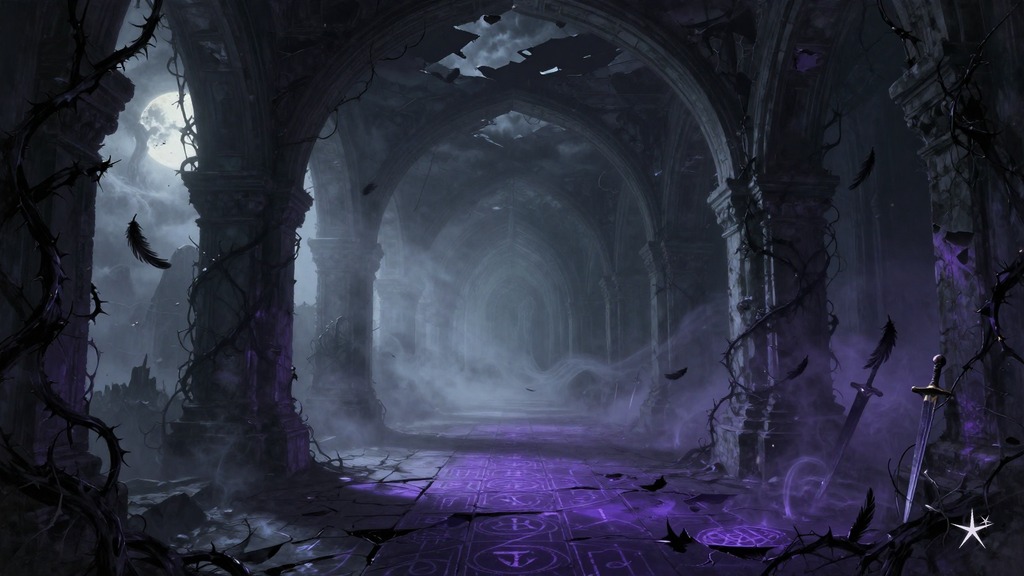
At first glance, this might look like a lighthearted supernatural comedy — and it absolutely is, in its early chapters. But Toilet-Bound Hanako-kun earns its place alongside dark fantasy manga — stories that blend supernatural elements with genuinely heavy, often grim themes — through its increasingly intense exploration of death, guilt, curses, and the unbearable weight of unfinished business. The cute character designs aren’t a gimmick. They’re a setup, and AidaIro springs the payoff beautifully.
If you’re wondering whether to invest in an unfinished series: the existing 24 English volumes tell a rich, satisfying story on their own. You won’t feel cheated by what’s here, even though the ending hasn’t arrived yet.
Story Arcs Across the Volumes
One of the things that makes this series special is how deliberately it shifts tone over time. The early volumes and the later volumes almost feel like different manga — and that’s entirely by design. Here’s a general sense of how the story progresses, broken into broad narrative phases. (In manga, an “arc” is a multi-chapter storyline that forms its own complete narrative beat within the larger series.)
Early Mysteries (Opening Volumes)
The series begins at Kamome Academy, where a high school girl named Nene Yashiro summons the seventh of the school’s Seven Mysteries — a set of supernatural legends said to haunt the school, each tied to a powerful ghost. That seventh Mystery is Hanako-kun, a ghost boy who haunts the girls’ bathroom on the third floor. After a supernatural mishap binds them together, Nene becomes Hanako’s assistant, and the two start dealing with the other School Mysteries and their supernatural disturbances.
These opening volumes are heavy on comedy and charm. Nene is endearingly dramatic, Hanako is mischievous and evasive, and the self-contained ghost stories feel almost like a supernatural sitcom. But even here, AidaIro plants seeds of something much darker. Hanako’s cheerful exterior clearly hides something painful, and the ghost folklore has real teeth — these aren’t friendly spirits, and the rules governing the boundary between life and death are genuinely dangerous.
Deepening Hauntings (Middle Volumes)
As the series progresses, encounters with the remaining School Mysteries become more dangerous and emotionally complex. Kou Minamoto — a young exorcist who initially wants to destroy Hanako — develops into a major character with his own complicated relationship to the supernatural world. His older brother Teru and their family’s exorcist legacy add another layer of tension.
The boundary between the living and the dead becomes increasingly unstable. What started as “help this ghost with their problem” stories become “the fundamental rules holding reality together are breaking down” stories. The comedy doesn’t disappear — AidaIro keeps it alive as a counterweight — but the stakes are unmistakably higher, and the emotional cost of each storyline climbs.
Dark Revelations (Later Volumes)
This is where the series takes a sharp dark-fantasy turn. The Picture Perfect arc is often cited as the point where readers realize just how dark this manga is willing to go. Without spoiling specifics, it forces characters to confront distorted versions of their own desires and peels back layers of Hanako’s past that reframe everything that came before.
Hanako’s history — who he was when he was alive, what he did, and why he became the ghost he is — moves to the center of the story. The guilt he carries isn’t abstract. It’s specific, ugly, and deeply human. The true nature of the supernatural order governing the school and its ghosts comes into sharper focus, and the answers aren’t comforting.
The Severance Arc and Beyond (Recent Volumes)
The most recent stretch of the manga is its darkest sustained material. Themes of sacrifice, identity dissolution, and the cost of trying to defy fate dominate these volumes. Characters are pushed to emotional and physical extremes, and AidaIro doesn’t flinch from showing the consequences.
The series resumed from hiatus in August 2026, returning in Monthly G Fantasy’s September issue, though the story remains unfinished. For readers who prefer completed series, that’s worth knowing upfront — though the journey through the existing volumes is absolutely worthwhile on its own.
What Makes This Supernatural World So Dark
Toilet-Bound Hanako-kun builds its dark fantasy framework on Japanese school ghost folklore — specifically the tradition of the Seven Mysteries, a set of supernatural legends that supposedly haunt every school. AidaIro takes this familiar cultural concept and constructs an elaborate, internally consistent supernatural system around it, where each Mystery is a powerful apparition bound by specific rules and hierarchies.
The tonal whiplash in this series is completely intentional. AidaIro uses cute, exaggerated comedy art — tiny, round, cartoonish versions of the characters played for laughs — to lull you into a sense of safety, and then pulls the floor out. A chapter might open with Nene’s self-conscious worrying about her legs being played for comedy and end with a genuinely unsettling image of a ghost consumed by rage and grief. The art style itself shifts dramatically between these modes: soft, round, and adorable one page; angular, shadowy, and deeply creepy the next. This isn’t inconsistency. It’s a deliberate technique that makes the dark moments land harder because you were just laughing.
At the heart of everything is the living-dead boundary. Every meaningful relationship in this series is haunted by impermanence. Nene is alive. Hanako is dead. That fact colors every interaction between them with a kind of bittersweet weight that only intensifies as the story progresses. The ghosts in this manga aren’t monsters to be defeated — they’re people who couldn’t let go, trapped by their own unresolved pain. That framing transforms what could be a simple supernatural action series into something that genuinely grapples with grief, regret, and the terrifying question of what happens when you love someone you can’t keep.
Manga vs. Anime — Where to Keep Reading
Toilet-Bound Hanako-kun has received multiple anime adaptations, which is great news for readers trying to decide where to jump in:
- Season 1 aired starting January 10, 2020, and covers the manga’s early arcs
- After-School Hanako-kun aired starting October 13, 2023, adapting the spinoff — a separate, lighter companion series set in the same world with the same cast (more on this below)
- Season 2 aired starting January 12, 2025, continuing deeper into the story
The manga extends well beyond what both anime seasons have covered. If you’ve watched the anime and want to keep going, you’ll need to pick up the manga — and you’ll be rewarded with significantly darker material than what the anime has adapted so far. The later arcs push into territory that the anime hasn’t touched yet, and they represent the series at its most emotionally intense.
For readers who watched either season and want to continue in the manga, the best approach is to start a few volumes before where you estimate the anime ended. Anime adaptations often rearrange or condense material, so reading those “overlap” chapters in manga form will catch details the anime may have trimmed — and you won’t regret the extra context.
The manga’s art is also a completely different experience from the anime. AidaIro’s page compositions, their use of empty space to build atmosphere, and the way they shift between cute and horrifying — that’s something only the printed page delivers fully.
Which Edition Should You Buy?
If you’re brand new to the series, start with Volume 1. That’s your entry point whether you’ve seen the anime or not — the manga is the definitive version of this story, and Volume 1 sets up everything that follows.
Yen Press publishes the English edition of Toilet-Bound Hanako-kun in a standard single-volume paperback format. As of the latest release, 24 English volumes are available, with more expected as the series continues (the Japanese edition is at 25 volumes).
The books read right-to-left in the traditional manga format — meaning you open the book from what Western readers would consider the “back” cover, and read panels from right to left across each page. If you’ve never read manga before, it feels natural within a few pages. The Teen rating from Yen Press is appropriate — younger teens can handle the early volumes fine, though the later arcs deal with heavier themes that parents of very young readers might want to preview.
If you’re already caught up through Volume 22, Volume 23 is your next pickup:
Toilet-Bound Hanako-kun, Vol. 23
There’s also a Volume 0 — a special supplementary release that sits outside the main numbered sequence, containing extra material rather than the main storyline. It was released in Japan on December 27, 2019 and is available under ISBN 9784757564541. You don’t need Volume 0 to follow the main story.
Digital editions are available through Yen Press’s digital partners, which is convenient if you prefer reading on a tablet or want instant access.
For completists, the After-School Hanako-kun spinoff is a separate companion series worth picking up after you’ve read the main manga. A spinoff in manga means a side story set in the same world — in this case, it’s lighter and more comedic than the main series, offering a breather from the heavier storylines. Volume 1 of the English edition from Yen Press is the starting point.
After-school Hanako-kun, Vol. 1
Reading order recommendation: Read the main Toilet-Bound Hanako-kun series first (starting with Volume 1), then enjoy After-School Hanako-kun as supplementary material. The spinoff assumes familiarity with the main cast and setting.
Frequently Asked Questions
How many volumes of Toilet-Bound Hanako-kun are there?
There are 25 volumes in Japan and 24 volumes in English through Yen Press. The English edition is still catching up, with Volume 24 released on July 28, 2026.
How many volumes does Toilet-Bound Hanako-kun have in English?
As of 2026, there are 24 English volumes available from Yen Press, with more on the way as the English release catches up to the Japanese edition’s 25 volumes.
Is Toilet-Bound Hanako-kun finished?
No. The series was on hiatus but resumed publication in August 2026. The story is ongoing and not yet concluded.
Who publishes the English edition?
Yen Press publishes the English manga, rated Teen.
Who created Toilet-Bound Hanako-kun?
The manga is created by AidaIro (a two-person creative team) and serialized in Monthly G Fantasy (Square Enix).
What order should I read the Toilet-Bound Hanako-kun volumes in?
Start with the main Toilet-Bound Hanako-kun series (Volumes 1 through the most recent release), then read the After-School Hanako-kun spinoff afterward. Volume 0 is optional supplementary material and not required for the main story.
Does the manga get darker than the anime suggests?
Yes — considerably. The anime adaptations cover the earlier, lighter portions of the story. The manga’s later arcs escalate into genuinely dark supernatural territory, dealing with themes of death, guilt, sacrifice, and identity in ways that go far beyond what the anime has shown. If you enjoyed the anime’s hints of darkness, the manga delivers on that promise and then some.
Is this series appropriate for younger readers?
The Teen rating is accurate. Early volumes are fine for most teens, but later arcs contain intense supernatural horror, emotional distress, and themes of death and sacrifice that might be heavy for very young readers. It’s not gratuitously violent, but it doesn’t shy away from emotional darkness either.