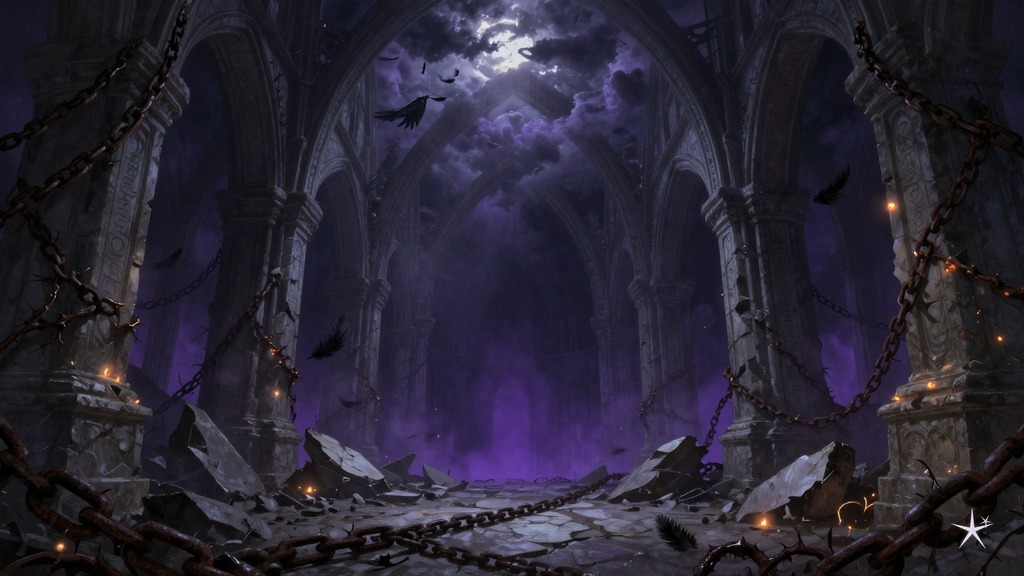
If you’re looking for the PandoraHearts manga reading order, here’s the short version: PandoraHearts is a completed 24-volume dark fantasy manga, published in English by Yen Press (the company that translates and releases the series for English-speaking readers). You read it in order — Volume 1 through Volume 24 — and that’s it. No spin-offs (separate series set in the same world) interrupting the sequence, no side-story volumes you need to slot in, no companion books required to understand the plot.
The series was created by Jun Mochizuki (望月淳) and originally ran chapter-by-chapter in Square Enix’s Monthly G Fantasy, a Japanese manga magazine, from May 2006 through March 2015. All 24 Japanese volumes have been published in English by Yen Press, so nothing is missing from the English release.
If that’s all you needed, go grab Volume 1 and get started. But if you want a story arc breakdown, edition details, notes on the anime adaptation, and guidance for getting the most out of this incredible dark fantasy — keep reading. This is a series that rewards commitment, and by the midpoint you’ll understand why it has such a devoted following.
PandoraHearts Manga Reading Order: Editions and Formats
Before you start buying, here’s what you need to know about the English editions of PandoraHearts.
Standard Single Volumes (Yen Press)
The Yen Press single-volume editions are the standard English release. There are 24 volumes total, matching the Japanese release one-to-one. These are the editions most readers own and the ones you’ll find most readily available both physically and digitally.
Each volume is a standard manga-sized paperback with Mochizuki’s original cover art. They’re widely stocked at major retailers and available as digital editions through platforms like Kindle, Kobo, Apple Books, and others. The digital versions contain the same content as the print editions — no bonus material is cut or added.
PandoraHearts
Is There an Omnibus or Deluxe Edition?
This is a common question, especially since many popular manga series have received collected reprints that bundle multiple volumes into one thicker book, deluxe hardcovers, or collector’s box sets over the years. As of now, the standard Yen Press single volumes are the primary English format for PandoraHearts. If you’re searching for a collected edition and coming up empty, that’s why — the singles are what’s available.
This actually simplifies things for reading order purposes. There’s one edition line, it’s numbered 1 through 24, and you read them in that order. No confusion about which collected book corresponds to which single volumes, no worrying about whether a deluxe edition reformats the content differently. It’s clean.
Digital vs. Physical
Both formats contain identical story content. Digital is convenient if you want instant access or prefer reading on a tablet. Physical is the way to go if you want to appreciate Mochizuki’s artwork on paper — and the art in this series is genuinely worth seeing in print, especially in the later volumes where the illustrations become remarkably detailed and atmospheric.
A Note on Cost
If you’re weighing whether to commit to all 24 volumes, keep in mind that digital editions typically carry a lower list price per volume than physical copies. Either way, you don’t have to buy the entire series upfront — start with the first few volumes and see if the story hooks you before going further.
Recommendation: The Yen Press singles are your edition. Pick whichever format suits how you like to read, and start with Volume 1.
The Complete Reading Order by Story Arc
PandoraHearts is a single continuous narrative — no branching paths, no optional volumes, nothing to skip. But 24 volumes is a meaningful commitment, so here’s a breakdown organized by story arc (a story arc is a stretch of chapters that focuses on a particular phase of the plot) to give you a sense of pacing and what to expect without spoiling the story’s many twists.
These arc groupings are approximate guides. The series flows continuously and Mochizuki weaves plot threads across the entire run, so the boundaries between arcs are soft. This is really a series best read straight through.
Arc 1 — The Abyss and the Contract (Volumes 1–4)
The story opens with Oz Vessalius, a young nobleman on the eve of his coming-of-age ceremony. Things go catastrophically wrong — Oz is cast into a nightmarish dimension called the Abyss, where he encounters a powerful being known as a Chain — a dangerous creature born from the Abyss — who takes the form of a girl named Alice. Oz forms a contract with Alice to escape the Abyss, and the two begin searching for Alice’s lost memories while unraveling the mystery of what “sin” Oz supposedly committed.
These opening volumes establish the world, the central mystery, and the core relationship between Oz and Alice. The tone here is lighter than what comes later — there’s humor, playful banter, and a sense of adventure. Don’t mistake that lightness for a lack of substance. Mochizuki is laying groundwork that will pay off across the entire series.
Arc 2 — Pandora and the Baskervilles (Volumes 5–8)
The scope expands significantly as the story introduces Pandora, a secret organization that monitors the Abyss and its Chains, and the Baskerville clan, a hostile faction with ancient connections to the Abyss and the events that shaped it. The mystery of the Tragedy of Sablier — a catastrophic event from a century ago that destroyed an entire city — moves to the forefront, and the connections between past and present start to tighten.
This is where the series begins shifting in tone. The stakes rise, the antagonists become more defined, and the questions multiply faster than answers appear. Character backstories deepen, and Mochizuki starts pulling threads that won’t fully resolve until much later in the story.
Arc 3 — The Truth of the Abyss (Volumes 9–13)
Big reveals arrive in this stretch. The nature of the Abyss itself, the identity of the Intention of the Abyss — a mysterious consciousness at the heart of that dimension — and several characters’ hidden identities all come into sharper focus. What seemed like a straightforward dark fantasy adventure reveals itself as something far more intricate — a mystery built on layers of deception, sacrifice, and loss.
This is the stretch where many readers become fully invested. The plot threads Mochizuki planted in those early, lighthearted volumes start converging, and the emotional weight of the story increases dramatically.
Arc 4 — The Will of the Abyss and the Final Conflict (Volumes 14–18)
Alliances shatter. Characters you thought you understood reveal new dimensions. The story takes its darkest turns here, and the full scope of the tragedy at PandoraHearts’ core becomes clear. Without spoiling specifics, this is the section where Mochizuki dismantles her characters’ foundations and forces them — and the reader — to confront hard truths about the world she’s built.
The pacing intensifies, the artwork reaches new levels of expressiveness, and the emotional stakes become genuinely wrenching. This is dark fantasy in the truest sense — darkness woven into the story’s heart, not just its aesthetic.
Arc 5 — The End and the Beginning (Volumes 19–24)
The final six volumes bring the century-spanning mystery to its conclusion. The last confrontation arrives, long-hidden truths surface, and every major character’s arc reaches resolution. PandoraHearts is known for having a deeply satisfying ending — Mochizuki wraps up her complex narrative with care, giving the story the emotional conclusion it earns.
These volumes are also where Mochizuki’s art is at its most striking. The visual storytelling in the climactic sequences is some of the most impressive dark fantasy artwork you’ll find in manga. It’s worth taking your time with these pages.
Quick-Reference Reading Order Table
| Volume(s) | Approximate Arc | What to Expect |
|---|---|---|
| 1–4 | The Abyss and the Contract | World setup, Oz and Alice’s contract, the central mystery begins |
| 5–8 | Pandora and the Baskervilles | Expanding cast, rising stakes, the Tragedy of Sablier |
| 9–13 | The Truth of the Abyss | Major revelations, hidden identities, emotional turning points |
| 14–18 | The Will of the Abyss | Darkest turns, shattered alliances, full scope of tragedy |
| 19–24 | The End and the Beginning | Final confrontation, mystery resolved, emotional conclusion |
Where the Anime Diverges from the Manga
PandoraHearts received a TV anime adaptation that aired in 2009, produced by studio XEBEC (a Japanese animation company). If you’ve seen the anime and are wondering whether you can just pick up the manga where it left off — the short answer is no. Start from Volume 1.
Here’s why:
The anime covered roughly the first several volumes’ worth of story material before diverging with an anime-original ending — meaning the show’s writers created their own conclusion instead of following the manga’s plot. The show does not cover the vast majority of the manga’s story. The deepest lore, the biggest twists, the true nature of the Abyss, the real identities behind the mystery, and — critically — the actual ending are all manga-only.
Even within the portions the anime does adapt, key details differ. Scenes are reordered, character moments are altered or omitted, and the careful setup that Mochizuki built into early chapters — setup that becomes essential later — doesn’t always survive the adaptation. If you try to start mid-series based on where you think the anime ended, you’ll miss groundwork that the later volumes depend on.
The recommendation is simple: if you watched the anime and want the full PandoraHearts experience, start the manga from Volume 1. You’ll move through the early volumes quickly since some story beats will be familiar, but you’ll also catch details the anime skipped — details that matter enormously later.
The manga is the definitive way to experience PandoraHearts’ full dark fantasy narrative. The anime is best treated as a supplement that covers only a fraction of the story, not as a substitute.
Guidance for New Readers
Trust the Early Volumes
PandoraHearts opens with a lighter tone than you might expect from a dark fantasy series. There’s comedy, there’s whimsy, and Oz himself starts as a cheerful, almost carefree protagonist. This is intentional. Mochizuki uses that early lightness as a foundation — the contrast makes the darker turns hit harder, and the seemingly playful moments in the opening volumes are loaded with foreshadowing (early hints and clues that only make sense later) that becomes apparent on reflection.
If you’re expecting wall-to-wall darkness from page one, be patient. The shift comes, and when it does, those early volumes become essential context.
Pay Attention to Names and Affiliations
The cast is large and interconnected. Characters belong to different factions — the Vessalius family, the Baskervilles, the Pandora organization, various noble houses — and relationships between characters drive the plot. Keeping track of who belongs to which group and how they relate to each other will save you from confusion later, especially when loyalties shift and hidden connections are revealed.
If you’re the type who struggles with large casts, it can help to jot down names as new characters appear. The series rewards readers who remember early details.
Spot the Alice in Wonderland Connections
PandoraHearts draws heavily from Lewis Carroll’s Alice in Wonderland and Through the Looking-Glass, but the connections go beyond surface-level naming. Characters, plot structures, and thematic elements are woven through with Carroll’s imagery in ways that deepen the story’s meaning. There are also nods to other literary and fairy tale sources throughout the series.
You absolutely don’t need to have read Carroll to follow or enjoy PandoraHearts — the story stands completely on its own. But if you happen to know those books, you’ll notice extra layers of meaning woven into the narrative. And if you finish the series and then revisit the early volumes, you’ll likely catch connections you missed the first time through regardless.
Watch the Art Evolve
Mochizuki’s art style changes significantly across the series’ 24 volumes. The early volumes have a cleaner, more conventional look with simpler compositions and lighter linework. As the series progresses — and as the story grows darker and more complex — the artwork becomes increasingly detailed, atmospheric, and expressive. The later volumes feature some genuinely stunning dark fantasy illustration.
This is one of those series where the evolution of the art mirrors the evolution of the story itself. It’s worth appreciating that visual journey as part of the overall experience.
Start Here — The Best Way to Read PandoraHearts Today
Here’s the straightforward version:
- Get the Yen Press single volumes — physical or digital, whichever you prefer. They’re numbered Volume 1 through Volume 24.
- Read in standard publication order. No skipping, no alternate paths, no reordering needed. Volume 1 first, Volume 24 last.
- If you watched the anime, start from Volume 1 anyway. The anime covers only a portion of the story before going its own direction, and the manga contains important details that differ even in the overlapping sections. Treat the anime as a companion piece, not a replacement.
- Don’t rush. PandoraHearts rewards patient, attentive readers. The mystery is tightly plotted across all 24 volumes, with early hints planted in the earliest chapters that pay off at the very end. Read carefully, enjoy the art, and let the story build.
PandoraHearts is one of the most tightly constructed dark fantasy mysteries in manga. Jun Mochizuki built a story where every piece matters, from the lighthearted opening to the emotional final pages. If you’re looking for a completed series you can read from start to finish with no filler and no loose ends — this is a fantastic choice. Grab Volume 1 and see for yourself.