Black Bullet Manga Volumes — 4 Books, 20 Chapters, One Complete Dark Fantasy Run
If you’ve been searching for the Black Bullet manga volumes count, here’s the short answer: 4 volumes, 20 chapters, done. The series is fully published in both Japan and English — every volume is out, and no more are coming.
Black Bullet (ブラック・ブレット) is a manga adaptation of the light novel series by 神崎紫電 (Shiden Kanzaki). A light novel, for those unfamiliar, is a type of short Japanese novel — typically illustrated and aimed at a young adult audience — that often serves as the original story from which manga and anime versions are later created. The manga features art by もりのほん (Morinohon) with character designs by 鵜飼沙樹 (Saki Ukai). Published in Japan by KADOKAWA under the 電撃コミックスNEXT (Dengeki Comics NEXT) label, the final Japanese volume came out on June 27, 2014. The English edition followed, with all four volumes released — the last one, Volume 4, arriving on June 28, 2016.
The series carries a T (Teen) rating and blends action, adventure, horror, romance, and science fiction into a bleak post-apocalyptic setting. Dark fantasy — a genre that combines fantasy or horror elements with a grim, morally ambiguous tone — is the best label for Black Bullet’s overall feel. A TV anime adaptation also aired, drawn from the same light novel source material.
For anyone who wants a compact, self-contained dark fantasy manga they can finish in a single sitting, Black Bullet fits that description perfectly. Four slim volumes, one devastating story, no waiting for future releases.
How the Series Is Structured
Black Bullet’s manga was originally published chapter-by-chapter — a process called serialization — in Dengeki Maoh (電撃マオウ), a Japanese manga magazine. Those individual chapters were then collected into the four bound volumes you can buy today. The series condenses the early portion of the Black Bullet light novel storyline into 20 tightly paced chapters spread across those 4 volumes.
Because this is an adaptation of an existing novel rather than a story that originated as a manga, the structure follows the light novel’s narrative rather than the open-ended format you might see in a series that runs for years. The manga broadly moves through two phases: first, it establishes the world — the Gastrea threat, the quarantined city, and the civil officer system (a government program that pairs human fighters with infected children to combat monsters). Then it escalates into large-scale conflict, political betrayal, and wrenching moral crises about how far humanity will go to survive.
Each volume is relatively short. The first three volumes run around 162–164 pages each in the Japanese edition, while the fourth and final volume is the longest at 194 pages. This compact length means the pacing stays relentless — there’s very little downtime between major story beats.
One important distinction: the manga does not adapt the entire light novel series. It covers the early story segments, and readers who want to continue the story beyond where the manga ends will need to pick up the light novels separately. The manga stands on its own as a complete reading experience for the material it covers, but it is not the full Black Bullet story.
What Happens in Each Volume
Here’s a volume-by-volume walkthrough of all four books. No major spoilers — just enough to help you understand the tone and pacing before you buy.
Volume 1 — The Cursed Children and the Gastrea Threat
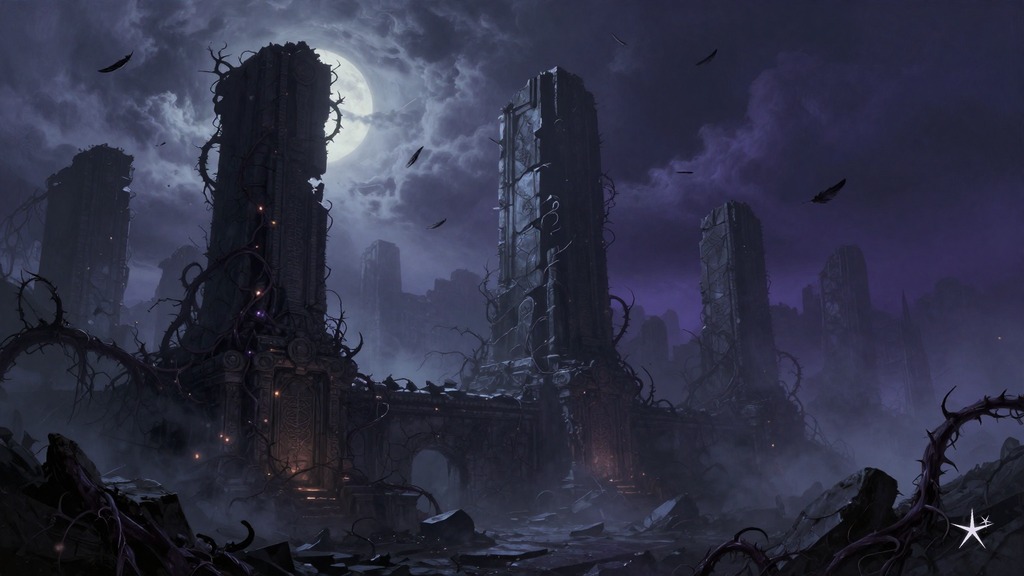
The opening volume drops you into a version of Tokyo that has been quarantined behind massive structures called Monoliths. Outside those barriers, the Gastrea — parasitic organisms that infect and transform humans into monsters — have overrun the world. Inside, humanity clings to survival under a fragile, paranoid government.
We meet Rentaro Satomi, a civil officer — essentially a government-sanctioned fighter assigned to battle Gastrea — and his partner Enju Aihara, a young girl known as a “Cursed Child.” The Cursed Children are girls born with the Gastrea virus already in their blood, giving them superhuman abilities but also making them feared and hated by the general population. The civil officer system pairs these children with adult fighters to combat Gastrea incursions — essentially using infected kids as living weapons.
Volume 1 establishes all of this efficiently. The horror isn’t just the monsters outside the walls; it’s how the people inside treat the children who protect them. That tension between gratitude and disgust, protection and exploitation, runs through the entire series.
Published in Japan on May 27, 2013 (164 pages).
Volume 2 — Escalation
The second volume digs deeper into the political landscape of this broken world. New enemies emerge — not just Gastrea, but human factions with their own agendas. The discrimination against the Cursed Children moves from background detail to central conflict, as Rentaro witnesses firsthand how society treats these girls when they’re not actively useful.
This is where Black Bullet starts showing its teeth as dark fantasy. The series doesn’t shy away from depicting cruelty toward children, and the manga’s art style contrasts the girls’ youth and vulnerability against the violence surrounding them. It’s uncomfortable by design — the story wants you to feel the injustice, not just understand it intellectually.
Published in Japan on July 10, 2013 (162 pages).
Volume 3 — War on the Horizon
Volume 3 marks the shift from individual skirmishes to full-scale crisis. A massive Gastrea incursion threatens to breach Tokyo’s Monolith barriers entirely, and the response requires mobilizing civil officers and Cursed Children on a battlefield scale.
The dark fantasy elements hit their peak here. Battlefield horror, moral dilemmas about sacrificing children for tactical advantage, and the growing realization that the system protecting humanity might be just as monstrous as the Gastrea themselves. The manga’s art captures both the scale of the monster threat and the intimate, personal cost of each decision Rentaro faces.
Published in Japan on October 10, 2013 (162 pages).
Volume 4 — Final Volume
The concluding volume is the longest of the four, and it needs every page. The manga wraps up its adaptation with the intensity you’d expect from a series that has been steadily tightening the screws for three volumes.
At 194 pages in the Japanese edition (192 in English), Volume 4 gives the story enough room to land its emotional and narrative conclusions. Without spoiling specifics, the ending addresses the central question the series has been asking: what happens when the people you’re fighting to save don’t deserve the cost?
Published in Japan on June 27, 2014. The English edition released on June 28, 2016 (ISBN: 9780316272360).
If you’re looking to pick up the final volume, it’s available in both paperback and digital.
Black Bullet, Vol. 4 (final volume)
The World of Black Bullet — Why It Qualifies as Dark Fantasy
Black Bullet occupies an interesting space between science fiction and dark fantasy. The setting is technically sci-fi — a viral pandemic, engineered barriers, government-sanctioned child soldiers — but the emotional register and aesthetic are pure dark fantasy.
The Monoliths and Varanium form the physical boundary of the world. Tokyo is sealed behind towering Monolith structures made from Varanium, a fictional metal that is the only substance in this story’s universe that can repel Gastrea. Step outside that barrier and you’re in monster territory. This creates a claustrophobic, siege-mentality atmosphere that permeates every interaction inside the city.
The Gastrea virus is where the body horror comes in — “body horror” meaning horror that centers on the grotesque transformation or violation of the human body. Infection doesn’t just kill; it transforms. Humans become grotesque, unrecognizable creatures driven to spread the virus further. The manga depicts these transformations with enough detail to convey the horror without wallowing in it. The threat isn’t abstract; characters you’ve seen as human can become something else entirely.
The Cursed Children are the emotional core and the darkest element of the series. These are young girls carrying the Gastrea virus from birth, granted superhuman combat abilities but condemned to social persecution and shortened lives — the virus they carry is slowly transforming them even as it grants them power. The government uses them as weapons. Civilians treat them as ticking time bombs. And the story forces you to sit with the fundamental wrongness of a society that depends on child soldiers while despising them.
What makes Black Bullet genuinely dark fantasy rather than just action-horror is this moral bleakness. The monsters outside the walls are dangerous, but the real darkness is institutional — the systems that exploit children, the politics that prioritize power over compassion, and the quiet acceptance of cruelty as long as it keeps the Gastrea at bay. There are no easy answers, and the manga doesn’t pretend otherwise.
Which Edition Should You Buy
Good news: this is a straightforward purchase. There’s only one English-language edition of the Black Bullet manga, available in paperback and digital formats. All four volumes have been released, so you can buy the complete set without worrying about unfinished translations or delayed releases.
Here’s a quick comparison of the two language editions:
| Detail | Japanese Edition | English Edition |
|---|---|---|
| Publisher | KADOKAWA (電撃コミックスNEXT) | Yen Press |
| Volumes | 4 | 4 |
| Status | Completed (2014) | Completed (2016) |
| Formats | Paper, Digital | Paperback, Digital |
A critical note about the light novels: Don’t confuse the Black Bullet manga with the Black Bullet light novel series. They are separate products with different volume counts. The manga adapts only the early portion of the light novel storyline. If you finish all four manga volumes and want more of the story, the light novels are where you’ll find it.
For readers specifically looking for the manga, four volumes is the complete set. You won’t find a Volume 5 — it doesn’t exist and was never planned. The manga told its portion of the story and ended cleanly.
Since the series has been fully published for several years, physical copies may come and go from retailer stock. Digital editions tend to remain consistently available when paperback copies become harder to find, so that’s worth keeping in mind if you’re having trouble tracking down physical books.
Frequently Asked Questions
How many volumes of Black Bullet manga are there?
Four volumes in both the Japanese and English editions. That’s the complete series.
Is the Black Bullet manga finished?
Yes. The Japanese manga completed with Volume 4, released on June 27, 2014. The English edition finished with Volume 4 on June 28, 2016.
How many chapters does the Black Bullet manga have?
20 chapters spread across 4 volumes.
Is the manga the same as the light novel?
No. The manga is an adaptation that covers the early portions of the light novel by 神崎紫電. The light novel is a separate, longer work. If you finish the manga and want more story, the light novels continue beyond where the manga ends.
Is there a Black Bullet anime?
Yes. A TV anime aired, adapted from the same light novel source material. The anime and manga cover overlapping but not identical portions of the story.
What’s the age rating?
The English manga carries a T (Teen) rating. The series deals with dark themes — violence, discrimination, child soldiers, and disturbing physical transformations caused by the Gastrea virus — but it’s presented at a level deemed appropriate for teen readers rather than being explicitly graphic.
Should I read the manga or watch the anime first?
Either works as an entry point since both adapt the same light novel. The manga is extremely compact at 4 volumes, making it a quick read if you want to sample the story before committing to the anime or light novels.